Category: Hanzi
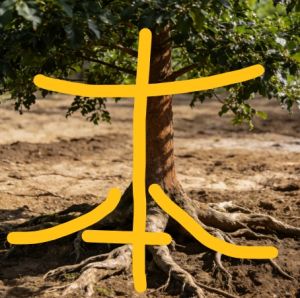
The Hidden Root: The Story of 【本】
本 běn root, origin, foundation, basis; original. Story The character 【本】 shows a very clear and logical picture. It comes from the character 【木】 (mù), which means “tree”. Anc
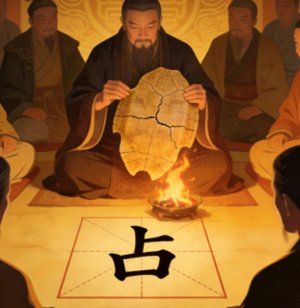
The Story of 【占】(Divination)
占 zhān zhān: to divine, to predict (related to ancient fortune-telling). zhàn: to occupy, to hold (the pronunciation for "占领", meaning "occupy or seize", which is a common meaning in daily lif
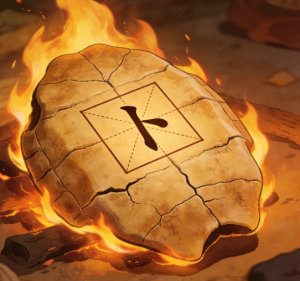
Crack! The Sound of Fortune: The Story of 【卜】
卜 bǔ /bo to divine, fortune-telling; to predict; (also used as a modal particle pronounced bo). Story The character 【卜】 is a fascinating window into ancient Chinese culture, directly linked to th
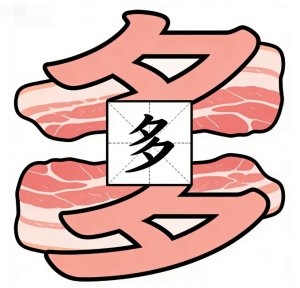
Two Pieces of Meat Together: The Fun Story of 【多】
多 duō many, much, more, a lot of; excessive, extra. Story The character 【多】 is a simple and interesting Chinese character, and its shape hides a lovely memory trick—【多】 is made of two 【夕】 (xī) c
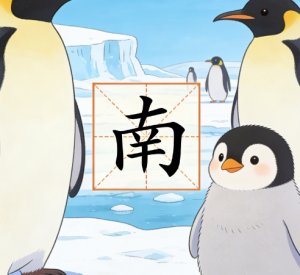
A "RMB Symbol" in the Middle: The Fun Story of 【南】
南 nán south (direction), southern; a surname. Story The character 【南】 is a common and interesting Chinese character, whose shape is easy to remember with a vivid trick. Its most distinctive fe
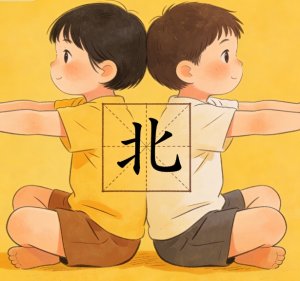
Two People Back to Back: The Fun Story of 【北】
北 běi north (direction), to face away from each other, back. Story The character 【北】 is a vivid pictographic character with a clear origin. Its structure perfectly reflects its core meaning: it consi
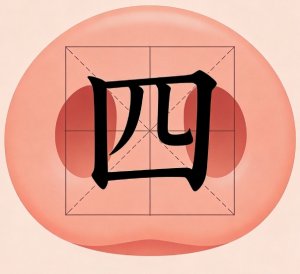
The Story of 【四】
四 sì four, the number 4. Story The character 【四】 is a simple and vivid Chinese numeral. It looks like a small face with two nostrils, and there is a fun memory trick: people say 【四】 looks like
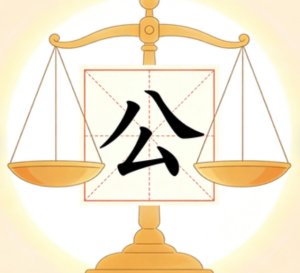
The Story of 【公】: For the Public Good
公 gōng public, official, fair, common, collective (opposite of 【私】). Story The character 【公】 carries a deep cultural idea. Its structure shows a meaningful philosophy: the upper part is 【八】, which mea
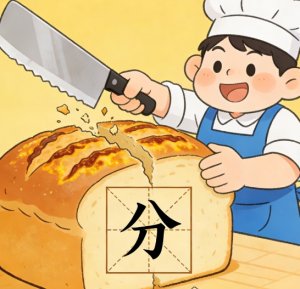
The Story of 【分】: Split and Share
分 fēn Basic Meaning: to divide, to separate, to share, to distinguish. The character 【分】 clearly shows its meaning in its structure. The top part is 【八】, which originally represents “separating&
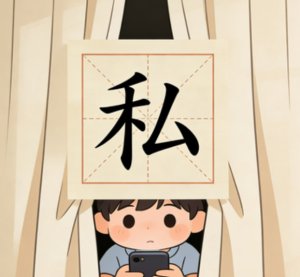
The Story of 【私】: A Grain of Privacy
私 sī Core Meanings: Private; personal; one’s own (opposite of 【公】, gōng, public); selfish; secretly. To remember the Chinese character 【私】, start with its right half: the two-stroke character 【厶